Integrating Emotion AI: A Breakthrough for Boosting Business Growth
Have you ever imagined walking into a store where every aspect, from music and lighting to staff interactions, is tailored to your emotions? This isn't science fiction it’s the practical potential of Emotion AI. Today, let’s join Topgroup to explore this fascinating and exciting topic!

What is Emotion AI and how does it work?
Emotion AI, or emotional artificial intelligence, acts as a bridge between customers’ emotions and businesses’ responses. It works by analyzing emotional signals from humans through three primary data sources:
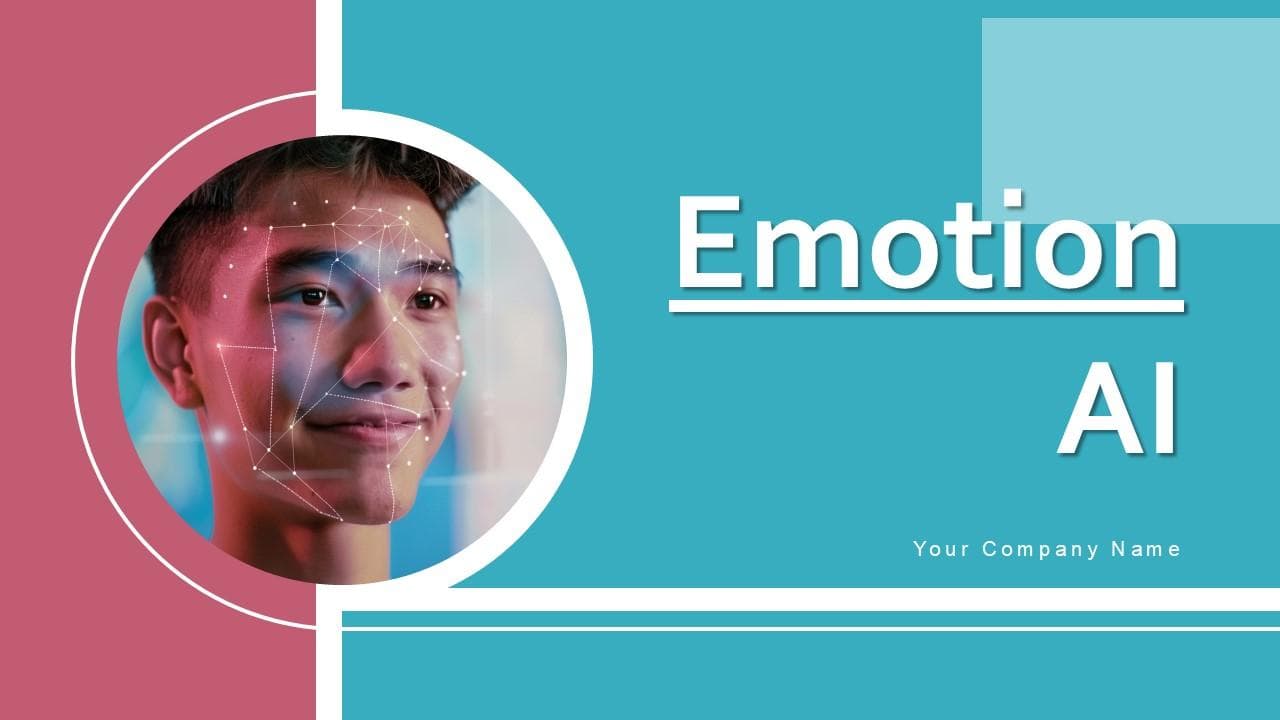
Facial Recognition
Emotion AI analyzes facial expressions, such as a furrowed brow indicating frustration or a smile suggesting joy or interest. This data helps businesses gain insights into customers' true psychological states instead of relying solely on their words.
Voice Analysis

Tone, pace, and even pauses in a customer's speech are key to identifying emotions. For instance, fast and high-pitched speech may indicate excitement, while slow and monotone speech could suggest sadness or disappointment.
Physiological Data
Biological changes, such as heart rate or skin conductivity, can also be used to detect emotions. This is especially helpful for uncovering hidden feelings that customers might not express outwardly. However, privacy concerns mean this method may not always be applicable.
By combining these data sources, Emotion AI offers a realistic view of customer emotions, allowing businesses to provide nuanced and personalized responses things that humans might take longer to observe and analyze.
What problems does Emotion AI solve for businesses?
Enhancing Customer Experience

According to a Salesforce study, 80% of customers value experiences as much as the product itself. Yet, many businesses struggle to grasp customers’ true emotions. Emotion AI addresses this challenge by:
- Detecting frustration or satisfaction through behavior, voice, and expressions.
- Delivering personalized and immediate solutions to increase satisfaction and reduce churn rates.
Example: A service representative can identify customer dissatisfaction through tone and promptly adjust their approach.
Optimizing Marketing Strategies
Emotion AI analyzes customer feedback to fine-tune marketing messages. Businesses can personalize content for different audience segments to:
- Boost engagement rates.
- Reduce marketing costs by focusing on effective campaigns.
- Strengthen brand connections and foster loyalty.
Supporting Product Development

Emotion AI evaluates user reactions to new product prototypes, helping to:
- Refine design, materials, and features based on genuine customer feedback.
- Increase the likelihood of product success during public launches.
Fostering Employee Engagement
Employees, like customers, deserve attention. Emotion AI can detect underlying workplace issues, enabling businesses to:
- Improve employee satisfaction.
- Resolve problems promptly.
- Lower turnover rates and recruitment costs.
Applications of Emotion AI in Various Fields

- Retail: Analyze customer reactions in-store or online to optimize product placement and promotional strategies.
- E-commerce: Detect pain points in the shopping journey to enhance checkout experiences and increase conversion rates.
- Healthcare: Assist professionals in identifying signs of anxiety or depression and adjusting care methods accordingly.
- Banking: Recognize anxiety during transactions, helping detect unusual activities and providing suitable support.
Emotion AI and Large Language Models (LLMs)
The combination of Emotion AI and large language models like GPT unlocks limitless possibilities:
- Personalized Chatbots: Offer responses that are not only accurate but also emotionally aligned with user sentiments.
- Real-Time Emotion Analysis: Integrate emotional data with contextual information to devise effective business strategies.
- Smart Marketing: Craft personalized content that resonates with customers’ emotions.
Example: A chatbot powered by Emotion AI can detect customer frustration and respond with empathy, significantly improving the interaction experience.
Emotion AI represents the future of personalized, emotion-driven interactions, enabling businesses to connect with customers more deeply and effectively.