Enhancing Developer Engagement: How AI is Revolutionizing SaaS Marketing
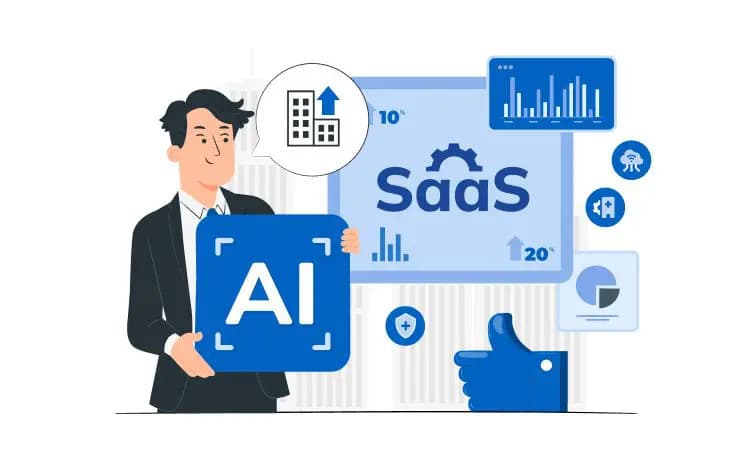
In the dynamic world of Software as a Service (SaaS), building and maintaining strong relationships with developers is critical for sustained growth and innovation. Yet, as the landscape becomes increasingly competitive, traditional marketing strategies often fall short of effectively engaging the developer community. Enter Artificial Intelligence (AI) — a transformative technology that's redefining SaaS marketing and developer relations. Let’s explore how AI is impacting SaaS marketing and suggest some best practices for leveraging AI to foster robust developer relations.
Understanding the Developer's Ecosystem

Before diving into the intricacies of AI's impact, it’s crucial to understand the unique ecosystem developers operate within. Developers are problem solvers who seek efficiency, clarity, and innovation. They value products that offer comprehensive documentation, seamless integration capabilities, and prompt support. Effective communication with developers requires a blend of technical depth and accessibility — a balance that AI can perfectly help achieve.
The Role of AI in SaaS Marketing

AI offers a multitude of avenues to enhance SaaS marketing efforts, making interactions more personalized, efficient, and impactful. Here's how AI can be leveraged:
1. Personalized Engagement
Tailored Content Recommendations
AI-powered algorithms can analyze a developer's behavior, preferences, and interaction history to deliver highly personalized content. For instance, if a developer frequently interacts with API documentation, AI can recommend advanced tutorials, webinars, or case studies that align with their interests.
2. Enhanced Support and Documentation
Chatbots and Virtual Assistants
AI-driven chatbots can handle a significant volume of support queries, providing instant responses to common issues. By integrating natural language processing (NLP), these chatbots can understand and respond to complex queries more effectively, ensuring developers receive timely and accurate support.
Intelligent Documentation
AI can monitor how developers use documentation and identify pain points. By analyzing these usage patterns, AI can suggest improvements, helping create documentation that is more intuitive and aligned with a developer's needs.
3. Predictive Analysis for Developer Needs
AI can analyze trends and patterns in the developer community, predicting future needs and guiding product development. For example, if there’s a surge in queries related to a specific feature, the product team can prioritize enhancements or create more focused tutorials.
4. Community Building and Monitoring
Sentiment Analysis
AI can analyze social media, forums, and other community platforms to gauge the sentiment around your product. Understanding developers' sentiments helps in addressing issues proactively and nurturing a positive community atmosphere.
5. Automated and Intelligent Marketing Campaigns
Content Automation
AI can help in creating and disseminating content more efficiently. Tools like GPT-4 can generate product update summaries, readme files, and blog posts, ensuring that developers are always well-informed about the latest changes or features.
Best Practices for Leveraging AI in Developer Relations
To maximize the impact of AI on your SaaS marketing and developer relations, consider the following best practices:
1. Maintain Transparency
Ensure transparency about AI's role in your interactions. Developers appreciate honesty, so clearly communicate when they're interacting with a bot or AI-powered recommendation system.
2. Prioritize Data Privacy
With AI systems relying heavily on data, safeguarding developer data is paramount. Implement robust data security measures and be transparent about how data is collected, stored, and utilized.
3. Keep the Human Touch
While AI can automate and enhance many processes, retaining a human touch is essential. Ensure that developers have an option to escalate queries to human agents, especially for complex issues.
4. Continuous Learning and Adaptation
AI systems should be continuously trained and updated to adapt to changing trends and developer needs. Regularly update your AI models with new data and feedback to maintain their efficiency and relevance.
5. Foster a Two-Way Communication Channel
Encourage developers to provide feedback on AI-driven interactions. This feedback is invaluable for refining AI systems and ensuring they align with developer expectations.
Conclusion
The integration of AI into SaaS marketing is reshaping the way companies engage with developers. By leveraging AI’s capabilities to personalize interactions, enhance support, predict needs, and build communities, SaaS companies can foster stronger, more productive relations with the developer community. However, balancing AI integration with transparency, data privacy, and a human touch is key to building trust and driving long-term engagement.
As we continue to innovate and explore new frontiers in technology, the harmonious blend of AI and human insight will undoubtedly pave the way for more intelligent, efficient, and empathetic developer relations.
For further reading, check out resources like "Artificial Intelligence: A Guide for Thinking Humans" by Melanie Mitchell and explore the latest research publications on AI’s impact on SaaS from platforms like Arxiv and IEEE.
Feel free to share your thoughts or experiences on how AI has influenced your interactions as a developer or marketer in the comments below!
Share this article
Next post
Tại sao quảng cáo cần sáng tạo?