
What is Generative AI? The importance of Generative AI in business
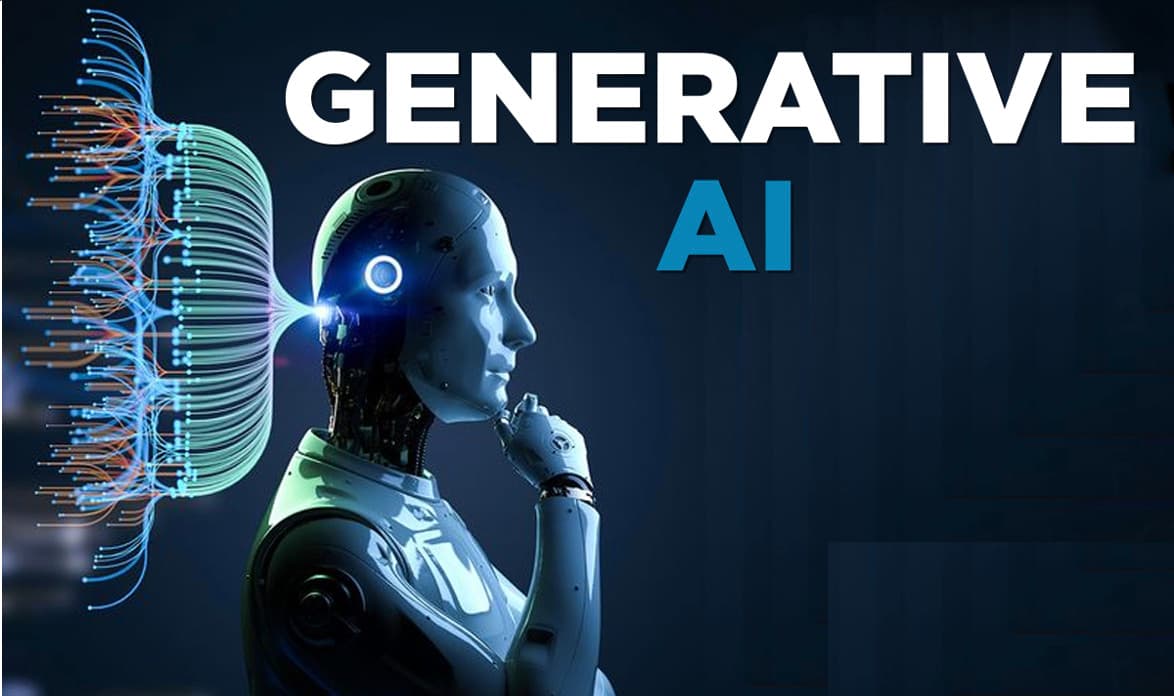
Continuing with the series of unknown things about artificial intelligence, today we will learn together about a type of AI that is famous in the market today. It not only stops at analysis and prediction skills but also brings high breakthrough creativity. Look no further than Generative AI, read to understand more about this interesting field, artificial intelligence fans!

What is Generative AI?
What is Generative AI?
Generative AI is also known by another name as generative artificial intelligence. This is a type of AI that can generate new content and ideas by imitating human intelligence in non-traditional computing tasks to create conversations, images, audio, video, ...through image recognition, language processing and translation.
Why do people think that Generative AI will create a big wave in the technology and artificial intelligence revolution? Imagine if you could train it to learn human languages, programming languages, languages of art, mathematics, chemistry,... or any complex subject. From that, Generative AI will reuse that data to solve new problems. So interesting, right?
A simple example, Generative AI can learn Vietnamese and create poems and essays from the things it learns and processes. So, Businesses often apply it for many different purposes such as product design, creating chatbots, creating media,... to optimize work processes for personnel as well as operating costs.

What is the importance of Generative AI in business?
What is the importance of Generative AI in business?
Generative AI applications are envisioned similarly to ChatGPT. Initiators can help innovate almost any application and enhance the customer experience. Since then, new applications that have never been seen before have been born and help customers achieve new levels of productivity and efficiency compared to traditional ways and processes in business and production for so long.
Accelerate research
The first role of Generative AI algorithms is the ability to explore and analyze data from simple to complex with large amounts of information in completely new ways without spending a lot of time on research. From creativity in analysis, these algorithms can summarize content, outline and suggest many solutions for users to consider. This is why Generative AI is greatly enhanced in human research and innovation activities.
For example: In Medicine, Generative AI systems are being used to create and optimize protein sequences for pharmaceuticals, this helps the research and manufacturing process to be shortened and faster in time. time as well as efficiency.
Enhance customer experience
The next feature to mention is the chatbot. Once programmed, Generative AI has the ability to respond naturally to human conversations like real customer care. It acts as a customer service tool and especially ensures personalization for each customer. Sometimes, it's hard to distinguish whether you're talking to an AI tool or a real person.
For example: Many businesses today have been using chatbots, virtual assistants, and virtual voices to respond to customers to optimize the customer experience during interaction and exchange about products and services. service.

Enhance customer experience
Optimize business processes
With Generative AI, businesses can dynamically optimize business processes using machine learning (ML) and AI applications across all industries. Including engineering, marketing, customer service, finance and sales.
For example, using Generative AI to evaluate and optimize different scenarios aims to reduce costs for marketing, advertising and logistics in the business process. Or use it as a tool to extract and summarize data from any source for search and reporting functionality.
Increase employee productivity
Once the above issues are resolved, employee productivity will also be greatly improved compared to operating according to traditional processes. Generative AI models are likened to a powerful creative assistant for every employee in your organization. Because they can do everything from searching, researching, and analyzing to creating in the same way as humans.
Below are some typical examples that we can easily see:
- Support creative tasks by creating multiple prototypes based on given requirements and inputs. Also, optimize existing designs based on human feedback.
- Helps people create new software code proposals for application development tasks within the organization.
- Support reporting, research and forecasting.
- Create new sales scripts, customer care, email and blog content for the business's marketing team.
And countless other features help you save time, reduce costs, and improve efficiency and productivity for individuals and the entire organization.
Share this article
Next post
Tại sao quảng cáo cần sáng tạo?