
Unlocking the Future of CX/UX Research: A Human-Centered Design Approach
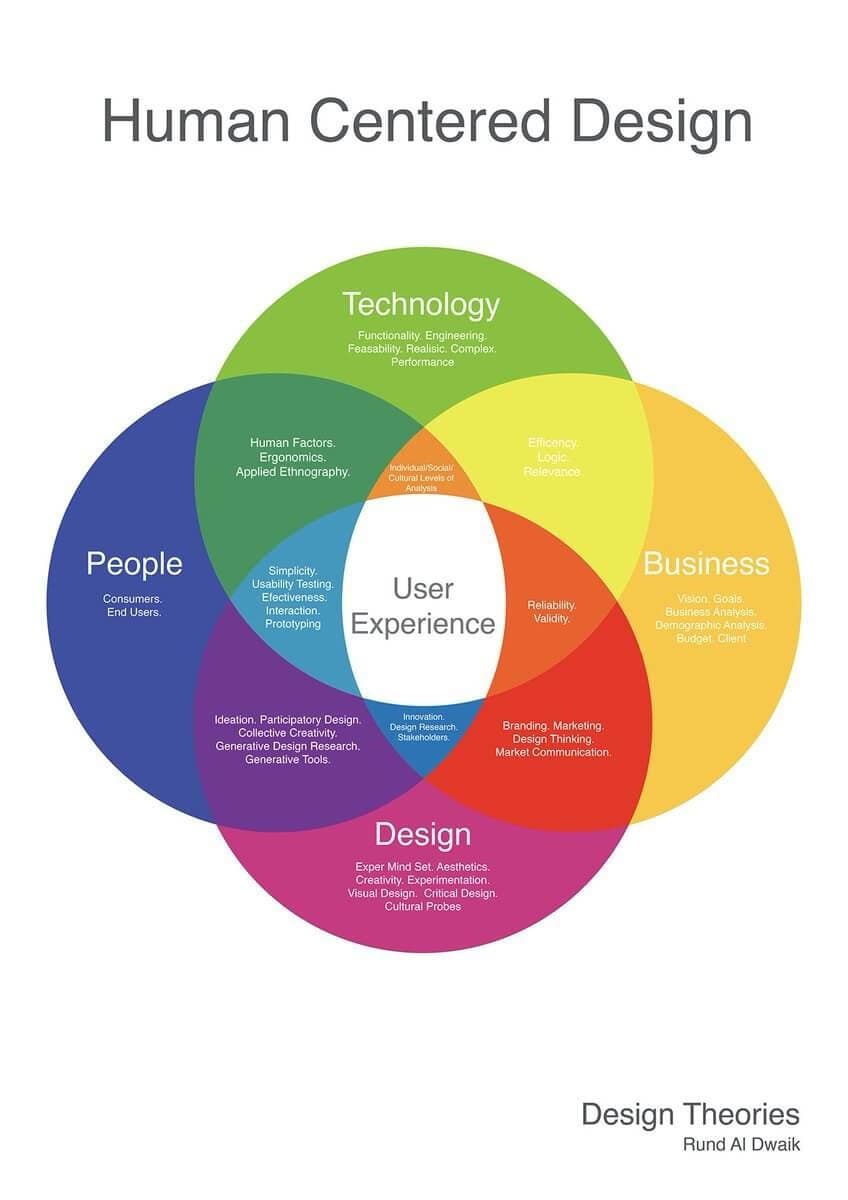
Imagine you’re navigating a vast ocean of UX research, and you’re given a treasure map that guides you skillfully to the desired shores. Well, that map exists! After half a decade of intensive research conducted across varied industries—ranging from retail to gaming—an innovative competency map has emerged. It's tailored for the global CX/UX research community to demystify the process, empowering both startups and established enterprises to leverage human-centered design (HCD) like never before.

The Role of AI in UX Research
In UX research, the epicenter is the human experience—how people interact with products to meet their needs. The landscape of UX is changing rapidly with artificial intelligence (AI) entering the fray. Did you know that approximately 77% of researchers integrate AI into their methodologies nowadays, as revealed by a UserInterviews survey? While AI accelerates data analysis and reduces the time to market, it may also introduce biases and inaccuracies. Striking a balance is vital to ensure AI boosts rather than eclipses rich human-centric insights.
A third of researchers resonate with this challenge, with 14% expressing concern over possible biases. Hence, it’s crucial to uphold a strong human-centered design framework, especially as we navigate this AI-dominated landscape. Let us steer this innovative era with responsibility and vision!

Introducing the Competency Map for CX/UX Research
In addressing these issues, my colleague Elena Svergunenko and I, Anna Pilyutik, embarked on a mission to craft a detailed competency map for HCD researchers. We are overjoyed to present this insightful tool to the global research community. This map has already been implemented for over a decade across various industries—including the management of a vast network of retail stores and a payment platform operating in over 200 countries.
Our journey originated at a major fintech company. Collaborating closely with product managers and design teams, we honed the product development stages to identify the essential skills required at each phase.

A Quick Dive into Human-Centered Design
Human-centered design gained momentum in the 1990s, driven by pioneering figures like Donald Norman and iconic firms like IDEO. This methodology prioritizes creating products and services with real people and their needs at its core. Harvard Business School Online encapsulates HCD as "a problem-solving technique that centers real people in the development process."
Core HCD Principles:
- Understanding User Needs: Penetrating what users truly require.
- Iterative Development: Continually refining designs with user feedback.
- Cross-Functional Teams: Utilizing diverse expertise for a comprehensive approach.
- Empathy: Experiencing users' emotions to inform design decisions.

Why Mapping the CX/UX Research Process is Essential
The creation of a competency map enhances the hiring and development process by:
- Improving team development strategies.
- Optimizing training resource allocation.
- Assigning right tasks to suitable roles.
- Bridging skill gaps and showing clear career progression paths.

How the Competency Map Works
What's the magic recipe? Collaboration with product managers and design teams has revealed the vital skills for each product development stage. Whether it involves launching a minor feature or a holistic product, this map outlines the skills researchers must have to succeed at every step.
Three Development Directions:
- Master: Focuses on research methodologies and analysis.
- Owner: Highlights project management expertise.
- Ambassador: Encourages HCD advocacy and innovation.
Each path delves into essential skills, from fundamental to aspirational, while stressing the importance of soft skills like empathy and problem-solving.

The Power of Competency-Based Development
Linking skills directly to tasks serves as both a guide and an inspiration for career advancement. For instance, a mid-level researcher focused on business loans can witness significant strides through goal-specific skill enhancement and assessments, providing a clear snapshot of professional growth.
Industry-Wide Adaptability
A key advantage of the competency map is its flexibility. It seamlessly integrates into industries from fintech to gaming, adapting to each sector's specific challenges. Whether precision is crucial in fintech or adaptability reigns in retail, this map supports your objectives. It's engineered to boost skills, performance, and synchronize effort with company goals.

Conclusion: Embracing AI with Care
As AI continues to reshape industries, this competency map ensures researchers remain in command, advocating for technologies that enhance user experiences without compromising accuracy or integrity. This map guides and empowers teams to innovate and evolve—reshaping hiring and development within the ever-changing world of CX/UX research.
Its impact transcends talent acquisition, fortifying the team’s collective strength and direction. Let us unite to harness the potential of AI and human-centered design, paving the way for a bright future. Whether it’s recruitment, skill development, or driving innovation, this competency map is your path to success.