Transforming B2B SaaS with Serverless Solutions: Benefits and Insights
In the ever-evolving landscape of Software as a Service (SaaS), serverless architecture is emerging as a game-changing approach, particularly for B2B SaaS products. By abstracting away server management, serverless architectures offer scalability, cost-efficiency, and reduced operational overheads. This article will explore the benefits and considerations associated with adopting serverless architecture for B2B SaaS, providing insights to help you make an informed decision.

What is Serverless Architecture?
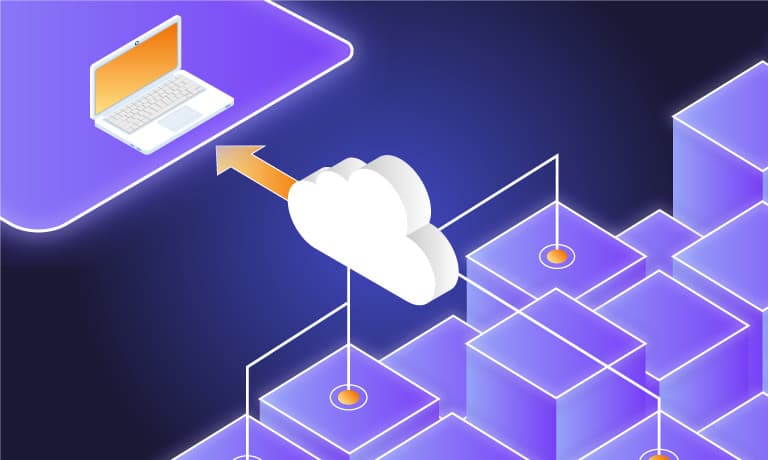
Before diving into the benefits and considerations, let's clarify what serverless architecture entails. Despite its name, "serverless" doesn't mean there are no servers involved. Instead, it refers to a model where the cloud provider manages the server infrastructure, and developers focus solely on code. Using a serverless framework, you can deploy functions or microservices that automatically scale and manage resources based on demand.
Famous examples of serverless platforms include AWS Lambda, Azure Functions, and Google Cloud Functions.

The Benefits of Serverless Architecture for B2B SaaS
1. Scalability and Flexibility
For B2B SaaS products, the ability to scale efficiently is crucial. With serverless architecture, scaling happens automatically. Your application can handle variable loads without manual intervention or pre-configured autoscaling groups. This flexibility ensures high availability and robust performance even during peak usage times.
Example: Let's say you run a B2B SaaS product that provides analytics services. During end-of-quarter periods, many companies might increase their usage. A serverless architecture would automatically scale up resources to meet this demand and scale down during quieter periods, optimizing resource utilization.
2. Cost Efficiency
One of the striking advantages of serverless architecture is its pay-as-you-go pricing model. You only pay for the compute time your code actually uses, rather than provisioning and paying for fixed servers 24/7.
Example: With traditional server deployment, you'd often over-provision resources to handle peak traffic, leading to wasted resources during off-peak times. Serverless architecture helps avoid this by billing you per execution, saving significant costs.
3. Enhanced Developer Productivity
In a serverless environment, developers can focus more on writing business logic than dealing with server management, maintenance, and scaling issues. This shift can significantly speed up development cycles and innovation.
Example: Your development teams can spend less time on deploying and managing infrastructure, freeing up time to implement new features or improve existing ones, ultimately increasing the value of your SaaS product.
4. Improved Reliability and Uptime
Serverless architectures are typically built with high availability and fault tolerance by default. Cloud providers manage replication, load balancing, and failovers, reducing the likelihood of downtime.
Example: Imagine your B2B SaaS product offers financial services where downtime could be costly. Leveraging serverless architecture ensures your services remain available and reliable even during unexpected failures.
5. Better Security
Cloud providers take the responsibility for securing the underlying infrastructure in a serverless setup. This division of responsibilities allows you to focus on securing application code and logic instead.
Example: For a SaaS product handling sensitive business data, this means you can trust your cloud provider to handle patches, updates, and security configurations at the infrastructure level, reducing the risk of security breaches.

Considerations for Adopting Serverless Architecture
While the benefits are compelling, it's essential to consider potential challenges and limitations before adopting serverless architecture for your B2B SaaS product.
1. Cold Starts
Serverless functions can experience "cold starts," where a function that hasn't been invoked recently may take longer to start. This latency can impact performance, especially for time-sensitive applications.
Solution: Mitigate cold starts by regularly invoking functions or using provisioned concurrency options offered by some cloud providers.
2. Vendor Lock-In
Relying heavily on a specific serverless platform can lead to vendor lock-in, making it challenging to migrate to another platform in the future.
Solution: Design your system with portability in mind. Use container-based platforms like AWS Fargate or Kubernetes if you need more flexibility.
3. Monitoring and Debugging
Traditional tools and practices for monitoring and debugging might not be as effective with serverless architectures.
Solution: Invest in tools designed for serverless environments, such as AWS CloudWatch, Azure Monitor, or third-party solutions like Datadog and New Relic.
4. Complexity in State Management
Serverless functions are stateless by nature, which can complicate scenarios requiring persistent state, such as session management.
Solution: Use managed services like AWS DynamoDB, Azure Cosmos DB, or Google Cloud Firestore to handle stateful data storage.
5. Concurrency Limits
Most serverless platforms impose limits on the number of concurrent executions, which could be a bottleneck for high-traffic applications.
Solution: Monitor and adjust concurrency settings according to your application's needs. You may also need to consider hybrid architectures combining serverless and traditional approaches to manage concurrency.

Real-World Applications and Success Stories
Several companies have successfully adopted serverless architecture for their B2B SaaS products. For example:
- iRobot: By shifting to serverless architecture, iRobot significantly reduced costs and improved the scalability of their data processing pipelines.
- Nordstrom: The retail giant leveraged AWS Lambda for its B2B services, enabling more efficient handling of backend processes and enhancing customer experience.
Conclusion
Serverless architecture offers a promising avenue for B2B SaaS products by providing scalability, cost efficiency, and easing operational burdens. However, like any technology, it comes with its own set of challenges that need careful consideration.
As you contemplate migrating to or starting with a serverless architecture, weigh the pros and cons, and map them to your specific business needs and technical requirements. When implemented thoughtfully, serverless architecture can be the catalyst that propels your B2B SaaS product to new heights of efficiency, reliability, and success.
By embracing a serverless approach, you stand to gain not just in terms of operational excellence, but also in delivering unparalleled value to your customers—a win-win situation for all stakeholders involved.