The Differences Between B2B and B2C SaaS – What You and Your Business Need to Know
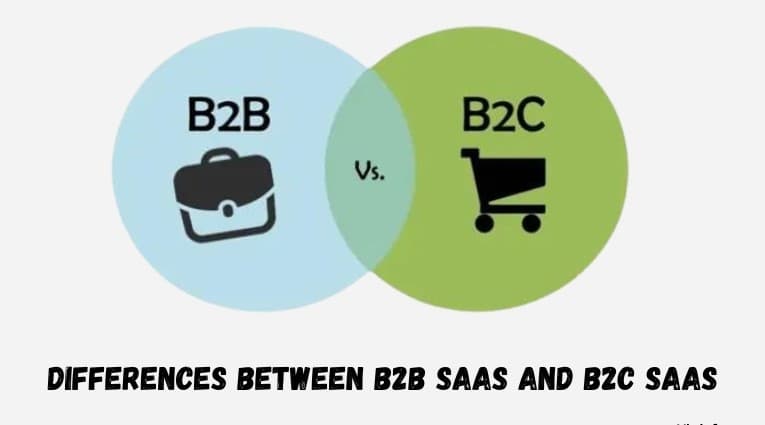
Have you truly distinguished the differences between B2B and B2C SaaS? It's not just about the target audience; these differences extend to market approach, sales cycles, and development strategies. For example, while B2B emphasizes long-term business value, B2C focuses on individual user experiences.
Understanding these distinctions enables SaaS businesses to position their products more effectively, maximize customer value, and achieve success in a competitive market. Let's explore more with TopGroup today!

What is B2B SaaS?
B2B SaaS stands for Business-to-Business Software as a Service. Simply put, it refers to software services provided to support other businesses. These solutions focus on key functions such as process automation, productivity enhancement, and operational optimization compared to traditional manual operations.

Key Characteristics of B2B SaaS:
- Target Audience: Enterprises, organizations, and decision-makers such as senior managers or IT departments.
- Longer Sales Cycle: Requires multiple steps to demonstrate product value over an extended period.
- Product Complexity: High customization capabilities and integration with existing systems.
- Specialized Support Services: Includes Service Level Agreements (SLA) and technical teams to ensure service quality throughout collaboration.
Example:
Salesforce, a leading CRM software, is a prime example of B2B SaaS, helping businesses manage customer relationships and enhance sales efficiency.
What is B2C SaaS?
B2C SaaS, or Business-to-Consumer Software as a Service, targets individual consumers. Unlike B2B, B2C SaaS solutions are typically simpler, user-friendly, and designed for a broader market.

Key Characteristics of B2C SaaS:
- Target Audience: Individual users or small businesses, often requiring minimal technical knowledge.
- Shorter Sales Cycle: Simplified buying process, often completed within a few clicks.
- Flexible Pricing Models: Free tiers, trials, or low-cost subscriptions.
- Automated Customer Support: Utilizes chatbots, FAQs, and video tutorials to minimize direct support costs.
Example:
Spotify is an excellent example of B2C SaaS, offering a user-friendly platform for streaming music with exceptional user experience.
8 Key Differences Between B2B and B2C SaaS

1. Target Audience
- B2B: Businesses and organizations with complex decision-making processes.
- B2C: Individual consumers or small businesses influenced by visual and emotional marketing.
2. Sales Cycle
- B2B: Extended sales cycles, ranging from months to over a year, with decisions based on economic value and compatibility.
- B2C: Instant purchase decisions driven by immediate value.
3. Product Complexity
- B2B: More complex solutions focusing on integration, security, and customization.
- B2C: Simple features designed for core functionality and ease of use.
4. Marketing and Sales Channels
- B2B: Relies on email marketing, webinars, and corporate relationships with in-depth content.
- B2C: Creative social media campaigns, influencer marketing, and emotionally-driven promotions.
5. Pricing Models

- B2B: Value-based pricing with long-term contracts and significant revenue.
- B2C: Flexible pricing, including free tiers or affordable subscriptions.
6. Customer Support
- B2B: Personalized support with SLA agreements and dedicated technical teams.
- B2C: Automated systems like chatbots and FAQs for efficient support.
7. Market Scale and Influence
- B2B: Smaller market size but higher-value contracts focused on niche industries.
- B2C: Larger markets with intense competition for user acquisition and retention.
8. Development Challenges
- B2B: Customizing products for various enterprise needs.
- B2C: Balancing simplicity with innovation to meet broad consumer demands.