SaaS 2025 - Trends Shaping the Future and Opportunities for Users and Businesses
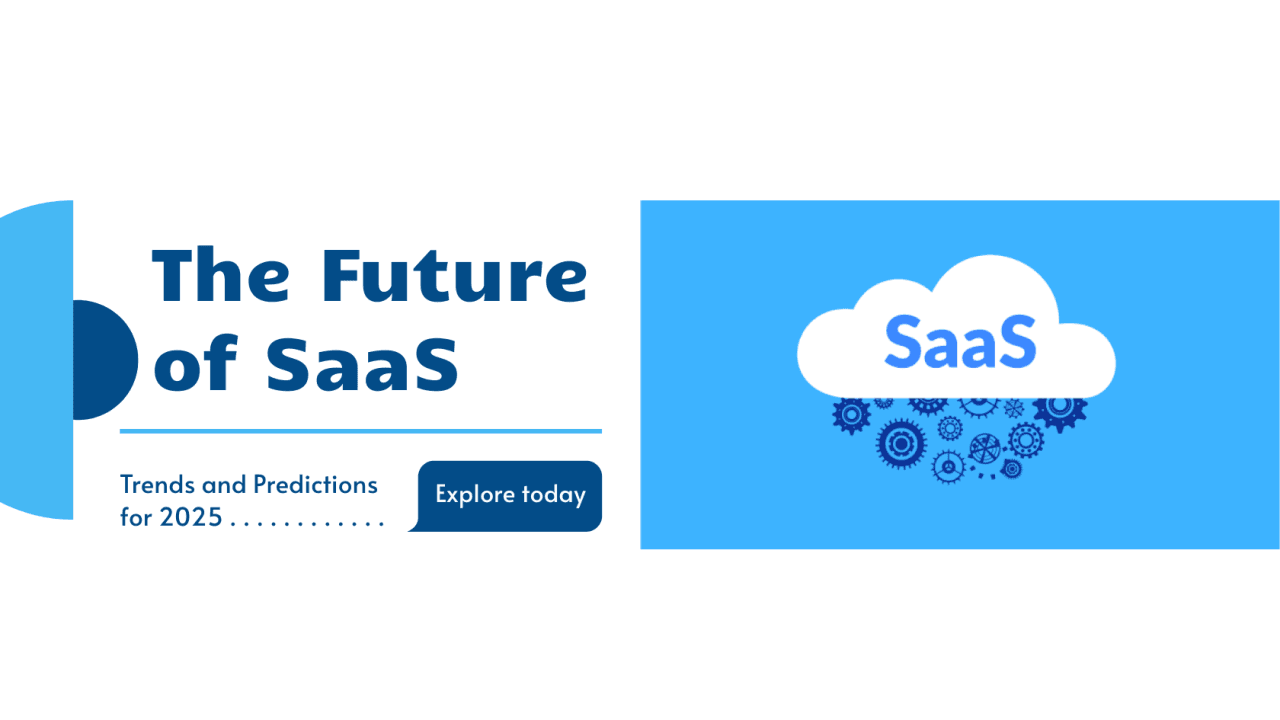
The Software as a Service (SaaS) industry is advancing at an unprecedented pace. As technology evolves, so do customer expectations. SaaS companies must stay ahead of these changes to deliver consistent value and maintain competitiveness. In this article, we’ll explore the top SaaS trends anticipated for 2025, highlighting how businesses can seize opportunities and tackle challenges to lead in the field.

1. AI and Automation: The Essential Power in SaaS
Artificial intelligence (AI) and automation are transformative trends reshaping the SaaS landscape. These technologies streamline routine tasks, analyze customer interactions, and enable companies to gather data, enhance efficiency, and provide personalized experiences. AI and automation are expected to remain integral to SaaS, as they allow businesses to deepen their customer understanding and operational effectiveness.

According to Forrester Research, integrating AI into customer service not only accelerates data processing but also helps businesses understand customer needs and emotions. Velaris, a customer management tool, leverages AI to analyze emails and support tickets, offering actionable recommendations to enhance the user experience. By automating repetitive tasks, companies can focus more on strategic planning and less on routine operations.
2. Data Integration and Management: Toward a Comprehensive View
As the SaaS market continues to expand, data integration has become a crucial factor in business decision-making. Traditional CRM systems, marketing platforms, and customer support tools already provide valuable information. However, gaining a comprehensive view of the customer requires integrating additional data from channels like social media, enabling insights into customer behavior and feedback.

Consolidating data from multiple sources helps businesses gain a more profound understanding of customer preferences and behaviors. Gartner’s research indicates that companies with effective data management strategies have a competitive edge in making strategic decisions. In 2025, this will be essential for SaaS companies looking to stay relevant and responsive in an increasingly data-driven market.
3. Enhanced Customer Personalization: Beyond Names to Optimized Content
Personalization has become a key differentiator in today’s competitive SaaS market. While it has been a prominent trend in recent years, 2025 is set to elevate it further, as users are increasingly at the center of SaaS development.

For example, rather than simply using the customer's name in an email, comprehensive personalization will create unique experiences that cater to each user's specific needs and preferences. SaaS companies will need to gain deeper insights into the features customers use most and the challenges they encounter, providing meaningful, value-driven experiences. For instance, companies might suggest relevant features, organize personalized training sessions, or proactively assist customers as soon as issues are detected. Personalization not only enhances the user experience but also boosts customer satisfaction and loyalty, fostering sustainable relationships over short-term engagement.
4. Customer Success Focus and ROI Measurement
In 2025, SaaS companies will prioritize measuring customer success using metrics like NPS (Net Promoter Score), CSAT (Customer Satisfaction Score), and CES (Customer Effort Score). These metrics not only evaluate customer satisfaction but also demonstrate the ROI of customer success efforts, helping SaaS teams optimize workflows and validate their value to leadership.

Some tools now enable real-time tracking of these metrics, allowing customer service teams to adjust strategies promptly to optimize experiences and increase loyalty. As SaaS leaders focus on measuring the ROI of customer success activities, they ensure every effort delivers tangible value, enhancing customer retention and satisfaction.
5. Security and Compliance: A Non-Negotiable Priority
The rapid growth of SaaS brings heightened security and compliance demands. With the sensitive data that SaaS applications handle, companies face significant security and data privacy challenges, especially as regulations like GDPR (General Data Protection Regulation) in Europe set new standards.
According to IDC, SaaS companies will need to implement robust security measures, such as data encryption and regular security audits, to build customer trust. Security solutions must be deeply integrated into products, not only to meet regulatory requirements but also to ensure user privacy and data protection.
In summary, 2025 will mark a pivotal year for SaaS companies as new trends shape the future of the industry. By embracing and adapting to these trends, SaaS businesses can not only maintain a competitive edge but also seize new opportunities for growth and development.