
Microservices
What are Microservices?
Before diving into Microservices, we need to understand and know how to apply:
Containerization Technology
is a method to package and deploy applications along with their runtime environment. It isolates the application and its environment from the underlying infrastructure, increasing portability and efficiency, ensuring that the application runs consistently across all systems.
Docker
Docker is a software platform used to automate the deployment and management of applications in an environment called containers. This probably doesn't need much explanation anymore, Docker has become very famous and has almost become a basic knowledge that programmers must have.
Kubernetes
Kubernetes is an open-source system for automating deployment, scaling, and management of containerized applications. It helps manage container clusters, optimize resource usage, and ensure application stability. Kubernetes provides a framework to run distributed systems robustly and flexibly. It supports self-healing, auto-scaling, load balancing, and provides mechanisms for configuration and secret management. Kubernetes has become the industry standard for managing containers on a large scale.
Microservices
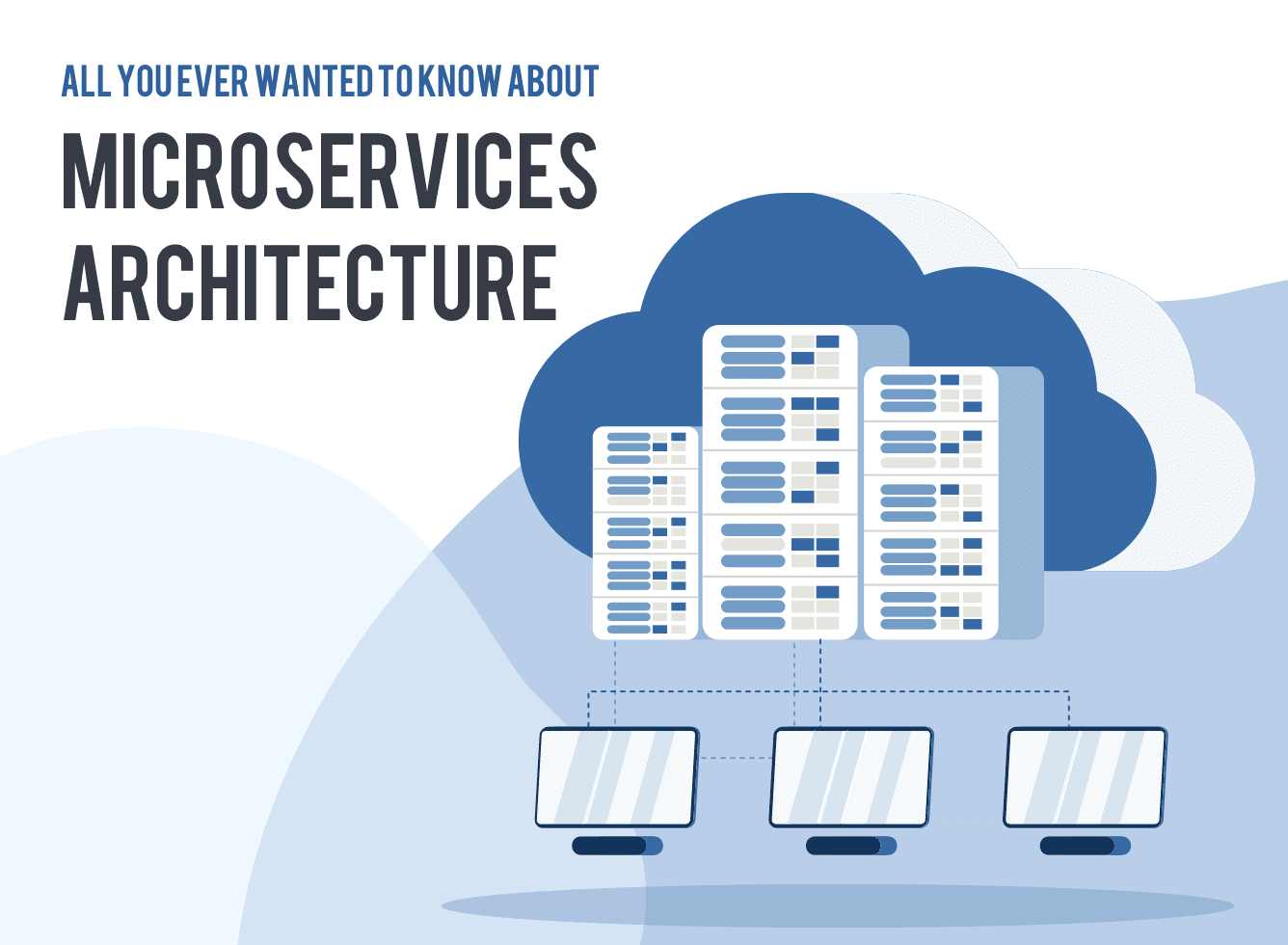
is a software architecture where an application is built as a collection of small, independent services connected through APIs. Each service in this model focuses on performing a specific function, operates independently, and can be developed, deployed, and scaled separately. This architecture supports flexibility, easy scalability, and allows the use of multiple programming languages and technologies. Both Docker and Kubernetes were born to serve the purpose of deploying this Microservices model.
Advantages & Disadvantages of Microservices
Advantages:
- Flexibility and Independence: Each service in the microservices architecture operates independently, allowing for flexible development, deployment, and scaling without affecting the entire system.
- Easy Maintenance and Updates: Compact and specialized, each microservice can be maintained, updated, or replaced without disrupting other services.
- High Scalability: Each service can be scaled specifically as needed, instead of having to scale the entire application.
- Adaptability to Diverse Technologies and Programming Languages: Each microservice can be built and maintained using different technologies or programming languages, suitable for the specific requirements of that service.
Disadvantages:
I still maintain my point of view about everything, everything has two sides, we should not "idolize" any technology, but only try to understand it as much as possible to be able to apply it in suitable circumstances to achieve the highest efficiency.
So, in my opinion, the Microservices model has the following disadvantages:
- Complexity in Management: Managing many independent services means managing multiple databases, communication between services, and ensuring consistency.
- High Resources and Costs: Requires more system resources and can result in higher costs compared to monolithic architecture, especially during deployment and operation.
- Challenges in Testing and Debugging: Testing and troubleshooting become more complex due to the interaction between different services.
- Network Issues and Performance: Dependence on network communication between services can lead to latency and performance issues.
Building a Microservices Infrastructure for the Company Thanks to the time accompanying the bank as mentioned above, my team has learned a lot of valuable knowledge and experience, which I think would be hard to acquire no matter how much money is spent on education.
We have avoided the difficulties and barriers and improved the security of the current Microservices infrastructure of TOP Group, creating a foundation for a system that can easily scale up with high availability, operating and fostering hundreds of startup dreams for TOP Group's partners.
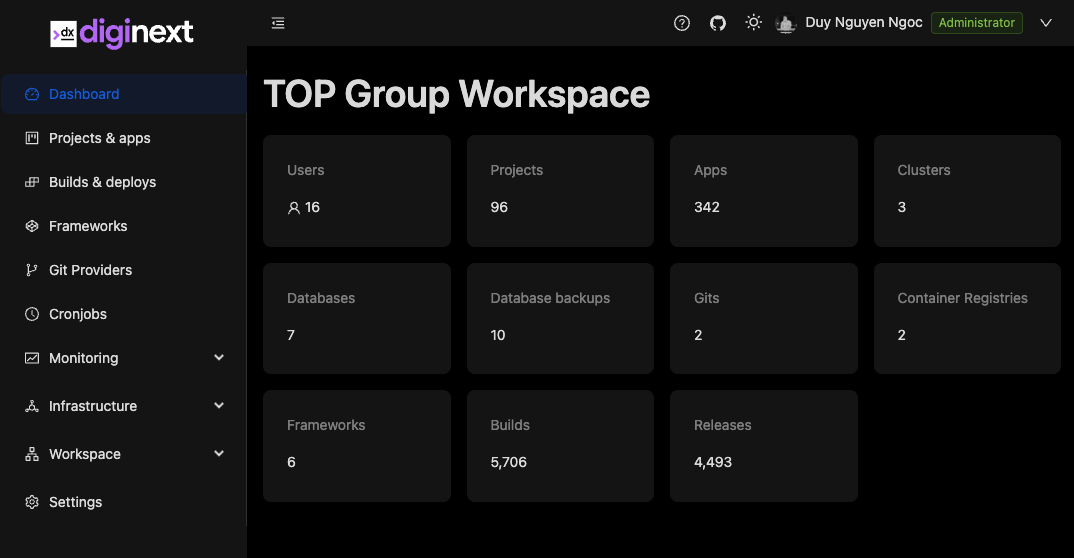
Nearly 96 projects (clients) and over 300 applications are being deployed on the same infrastructure system at TOP GROUP
How to effectively build an infrastructure based on the Microservices model?
After many trials, I have drawn this thread of experience:
- Divide Features into Smaller Services: Divide the application into small services, each responsible for a specific part of the functionality, making it easy to manage and expand.
- Independence and Autonomy: Ensure each microservice can operate and develop independently, minimizing dependencies on each other.
- Use of Containers: Use container technology like Docker to package and deploy each microservice, improving isolation and mobility.
- Orchestration with Kubernetes: Apply tools like Kubernetes to automate the deployment, expansion, and management of microservices. It must also be said that the complexity of Kubernetes is also a major barrier to adopting it, but trust me, it's completely worth every penny.
- APIs and Network Communication: Build clear and efficient APIs to allow communication between microservices.
- Independent Data Management: Each microservice should have a separate database or independent data management method, to avoid data dependency between services.
- Monitoring and Security: Deploy comprehensive monitoring and security solutions to monitor the status and ensure security for the microservices environment.
Conclusion
Microservices have "this" and "that", but its strength and efficiency are undeniable. The downside may be the complexity and operational costs, and I will dedicate another article to talk about how we optimize and overcome this weakness of Microservices.
Wishing everyone a week full of energy, and once again, thank you for reading the article!