
Exploring Augmented Reality: Revolutionizing the Future of E-commerce
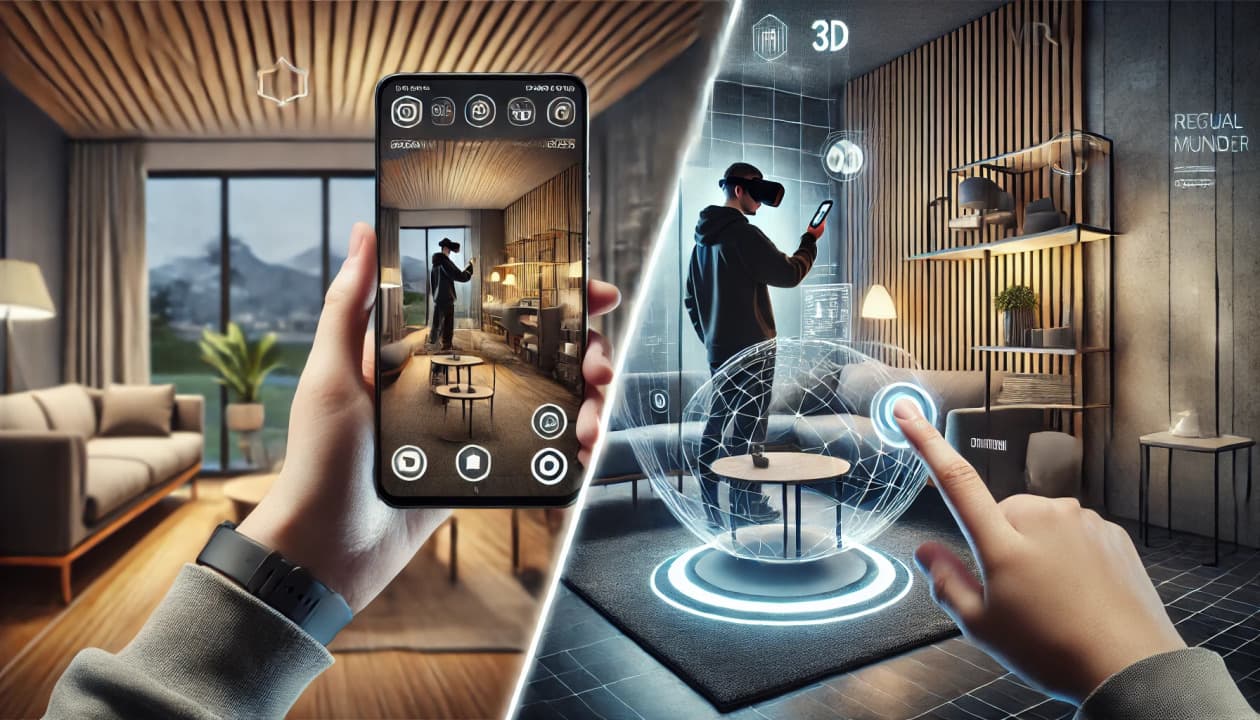
Welcome to the future of online shopping! Imagine being able to try on clothes, test out makeup, or see how furniture would look in your home, all without leaving the comfort of your couch. The rise of augmented reality (AR) technology has opened up a new frontier for online shopping, where consumers can virtually try on products, visualize furniture or home decor items in their space, and even walk through stores from the comfort of their homes.
This growth offers marketers and platforms a lucrative opportunity to harness the power of these cutting-edge technologies. The advent of AR technology is transforming the conventional shopping experience, where traditional limitations of physical shopping are virtually eliminated.
AR technology is no longer a trendy add-on; it has become a potent force in boosting customer engagement and driving sales for e-commerce businesses. Brace yourself for an exciting shopping adventure where you can effortlessly visualize and experience products before making purchase decisions!

Augmented Reality: A Brief Overview
At its core, augmented reality is an innovative technology that seamlessly integrates computer-generated visuals into the physical realm. Imagine holding your phone up to your living room and seeing a new couch materialize in place of your old one. This process involves using a camera-equipped device, like a smartphone or tablet, to capture a live video feed of your environment. The AR software then meticulously examines the video feed and superimposes digital components onto the image instantaneously, resulting in a mixed-reality experience.
The versatility of AR is compelling. It can range from basic animations to intricate three-dimensional models and simulations. In e-commerce, AR serves as an immersive and interactive tool for transforming the shopping experience.
Practical Scenarios:
- Furniture Retailers: AR allows customers to visualize how a piece of furniture would look in their home environment, making it easy to decide on size, color, and design that fits perfectly.
- Fashion Brands: Customers can try on clothes virtually, seeing how different outfits look without stepping into a fitting room.

The Benefits of Augmented Reality in E-commerce
AR is revolutionizing e-commerce by providing a transformative and unforgettable shopping experience. With the ability to create immersive environments, AR enhances customer satisfaction and fosters brand loyalty.
Moreover, AR addresses a significant challenge in online shopping: product visualization. Customers often hesitate to make a purchase because they are unsure of how the product will look or fit in real life. AR offers a solution by providing virtual try-ons and product demos, reducing uncertainty and bolstering customer confidence.
Key Benefits:
- Enhanced Customer Engagement: Interactive and immersive experiences capture customer interest, making the shopping process more enjoyable.
- Increased Conversion Rates: Reduces purchase hesitancy by providing a better understanding of products, leading to higher sales.
- Improved Customer Satisfaction: Ensures that customers are more confident in their purchases, thus reducing returns and improving overall satisfaction.
- Brand Loyalty: Unique shopping experiences foster long-term customer relationships and repeat business.

Challenges and Limitations of Augmented Reality in E-commerce
While the advantages of incorporating AR in e-commerce are evident, several challenges and limitations must be acknowledged:
- Technical Complexity: Implementing AR is technically intricate, requiring significant investment in hardware, software, and expertise in computer vision and 3D modeling.
- User Acceptance: Not all customers are readily accepting of AR. Concerns regarding privacy, security, or a lack of familiarity with the technology may cause reluctance.
- Product Suitability: Not all products lend themselves well to AR. Some are difficult to model accurately in 3D or aren't suitable for virtual try-ons.
Case Studies: Successful AR E-commerce Implementations
Despite these challenges, many e-commerce businesses have successfully implemented AR as part of their strategies:

IKEA Place
IKEA, the Swedish furniture giant, was one of the first retailers to embrace AR technology. The IKEA Studio App allows customers to virtually place furniture in their homes before purchasing. Customers can choose from IKEA's vast catalog and place the product in their living room or bedroom. The AR implementation has been hugely successful, with customers reporting a better shopping experience and a higher likelihood of making a purchase.

Sephora Virtual Artist
Sephora, the cosmetics giant, launched its AR feature in 2017, enabling customers to try on makeup virtually. The Sephora Virtual Artist uses facial recognition technology to map a customer's face and apply makeup products in real-time. This AR implementation has been well-received, resulting in increased sales and customer satisfaction.

Nike Fit
Nike's AR implementation allows customers to virtually try on shoes. Customers can select from Nike's catalog and see how the shoes look on their feet in real-time. The AR feature has enhanced the shopping experience, leading to higher customer engagement and purchases.
Conclusion
Augmented reality represents a formidable solution to improve customer experience within e-commerce. Despite inherent challenges, businesses willing to invest in AR technology can expect numerous benefits, including increased sales, customer satisfaction, and elevated brand recognition.
As AR technology continues to evolve rapidly, businesses will have limitless opportunities to unleash creativity and set new standards for customer satisfaction in online shopping. Embrace AR and revolutionize your e-commerce strategy—because the future of online shopping is here, and it's augmented.
References
Feel free to explore these AR implementations and witness how they are reshaping the e-commerce landscape. Happy Shopping!