
Edtech – The Technology Solution for Modern Education
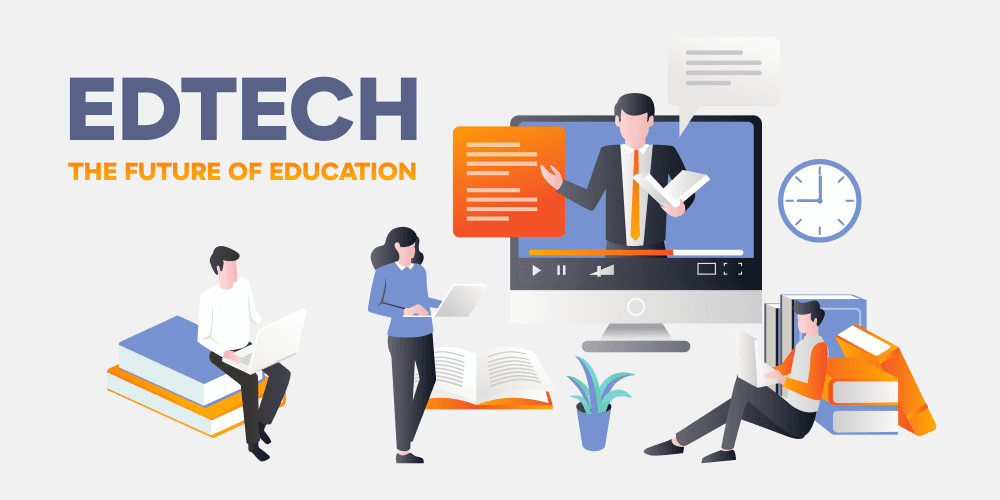
Edtech is transforming traditional education methods, creating a modern, convenient, and personalized learning environment. These tools not only enhance the quality of education but also open up many opportunities for both students and teachers to grow. With Edtech, the classroom becomes a flexible, creative space that better suits the needs of today’s students. Let’s explore this trend more in today’s article.

What is Edtech?
Edtech (Educational Technology) refers to the use of software and hardware to improve teaching and learning. It is the integration of information and communication technology to enhance the quality and effectiveness of educational programs. Instead of relying on traditional tools, classrooms today integrate advanced technologies such as tablets, online courses, and robots that help record lectures.
These technologies not only make learning more engaging through activities like virtual reality and games, but they also create digital classrooms, allowing students to learn anytime and anywhere in the most effective way possible.
Moreover, Edtech personalizes learning, enabling students to learn at their own pace and style to maximize their potential. Tools like data analytics and instructional videos allow teachers to easily track students' progress and tailor the learning experience to each individual. This is why Edtech is proven to improve academic performance and foster better interaction between students and teachers.
Benefits of Edtech for Students

The technological boom has created new learning methods that not only enhance collaboration and self-learning but also help students explore and develop their potential. Below are five key benefits of Edtech for students:
1. Enhanced Collaboration
Edtech tools like cloud-based devices and software enable students to collaborate and interact with each other more effectively in learning activities. For instance, tablets equipped with learning games and online lessons allow students to work in groups, solve problems together, handle situations as a team, and present their ideas collectively. Cloud applications also let students download assignments and discuss their thoughts with peers, making learning continuous and accessible beyond the classroom.
2. 24/7 Access to Learning

IoT devices enable students to engage in digital classrooms from any location, be it school, bus, or home. As long as there is a Wi-Fi connection and access to the cloud, students can complete assignments at their own pace and on their own schedule. Communication apps also make it easy for students to ask questions and reach out to teachers for support, without waiting for the next class session.
3. Modernizing the Classroom
Instead of learning theory in class and doing homework at home, Edtech allows students to watch lectures via video and use modern tools at home. Classroom time can then be used for group activities, solving problems, or outdoor extracurricular tasks. This learning model not only encourages self-study but also enhances collaboration and creativity among students.
4. Personalizing the Learning Experience

Edtech allows schools and teachers to tailor learning plans for each student based on their abilities, preferences, and learning pace. Instructional videos enable students to rewind lessons if they need to review difficult content. Additionally, analytics tools allow teachers to track individual learning patterns, offering additional support where needed. This reduces reliance on traditional classroom tests, enabling teachers to monitor progress more accurately and assess each student’s abilities more effectively.
5. Engaging Lessons
Edtech also makes lessons more interesting and dynamic compared to traditional teaching methods that focus heavily on theory. Instead of passively listening, students can interact with remote classes via video, and podcasts, submit assignments in multimedia formats, or even participate in educational games to diversify their learning approach. These activities not only encourage better focus but also create a creative and dynamic learning environment, in line with the development of modern society.
Benefits of Edtech for Teachers
Not only students, but teachers also reap many benefits when incorporating Edtech into their teaching, ranging from automated grading to more efficient classroom management:
1. Automated Grading

Edtech tools that integrate artificial intelligence make it easier for teachers to grade assignments, particularly objective tests. This saves time, allowing educators to focus more on offering personalized support to students or developing new curricula.
2. Classroom Management Tools
Classroom management tools help teachers maintain order and ensure students are working efficiently, rather than spending time stabilizing the class. For example, assignment reminder apps and noise-monitoring tools create a collaborative and orderly learning environment.
3. Paperless Classrooms

Edtech also contributes to a "greener" classroom by enabling assignments and materials to be stored and submitted online. This reduces the need for printing and storing physical documents, minimizes paper usage, and helps with more sustainable educational practices. Document management becomes easier, and the sustainability of education improves.
4. More Accurate Student Assessment
Lastly, Edtech allows teachers to continuously monitor and assess students' skills using data tools and platforms. This enables teachers to quickly identify challenges students face and provide appropriate support measures.
Share this article
Next post
Programmatic Advertising là gì?